Planning a used car purchase in Wibaux Montana starts with clear market research. This page brings together local insights on vehicle availability, pricing influences, and ownership costs tailored to life in eastern Montana. Whether you are comparing a half ton pickup, a reliable all wheel drive SUV, or a fuel efficient commuter, you will find data driven tips to help you plan with confidence. Explore how mileage, maintenance history, and seasonal demand shape pricing in small rural markets like Wibaux. Learn what features matter most for gravel roads, winter driving, towing, and long highway miles between towns. See how nearby county markets can affect selection and value. When you are ready to explore examples of these trends in real vehicles, visit used inventory and sold inventory for transparent pricing and past sale references. You can also dive deeper with our blog for step by step guides, ownership tips, and explanations of common buying questions.
Wibaux buyers often balance all weather capability with long term value. Four wheel drive trucks and SUVs tend to hold strong resale when they include maintenance records, clean titles, and practical upgrades like block heaters and remote start. If you want to compare how neighboring markets affect pricing and selection, review county level research pages for regions such as Dawson, Fallon, Richland, and Prairie. For more how to advice and ownership insights, continue below for a full research guide.
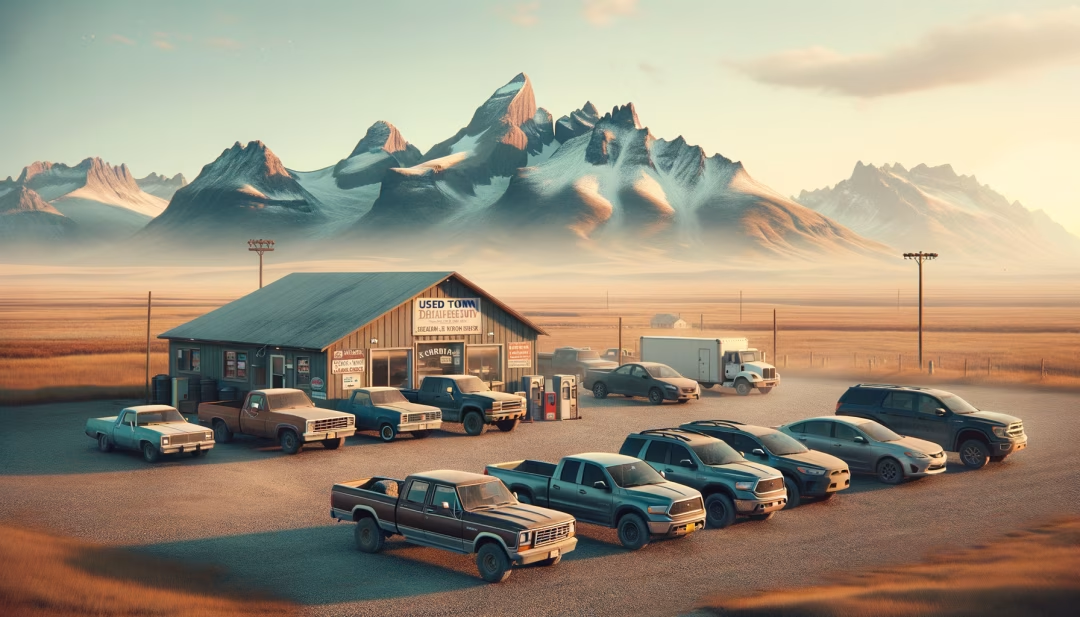
Wibaux is a small eastern Montana community surrounded by wide open highways, ranch roads, and seasonal weather that can shift quickly. Those realities shape what local shoppers value and how vehicles are priced. The most sought after models typically combine dependable drivetrains, winter traction, and low cost ownership. At the same time, inventory flows in from trade ins, regional auctions, and nearby counties, which means pricing can change as supply moves along the I 94 corridor.
This guide explains how to evaluate pricing, features, and vehicle condition in a rural market, plus how to compare Wibaux options with nearby counties. It also shares checklists and resources so you can make a fair offer, arrange financing that fits your budget, and protect your purchase with proper documentation. Throughout the page you will find links to used inventory, sold inventory, the blog, and county level research that provides context for what you see on the lot.
Used vehicle pricing in Wibaux tends to reflect utility and scarcity. Models that handle gravel, snow, and towing will often command stronger prices when they have verifiable service history. Trucks with proven V8 or turbo diesel powertrains, all wheel drive crossovers with snow rated tires, and sedans with strong reliability records are common value leaders. Because population density is low, well kept vehicles with desirable options may sell faster than you expect. Monitor recent sales to understand the pace of the market using sold inventory for reference.
Because inventory circulates across county lines, researching adjacent markets helps you spot opportunities. If a specific trim is scarce in Wibaux, you might find a similar unit nearby. Reviewing regional pages also helps you see how mileage, options, and reconditioning affect price bands across eastern Montana. Explore these resources to compare trends and examples:
Wibaux buyers often prioritize capability and durability for rural roads and cold months. Consider the following features when building your shortlist. These do not simply add comfort. They can reduce long term operating costs, improve safety, and help maintain resale value when you are ready to trade.
Your purchase price is only part of the picture. Plan for fuel, maintenance, tires, insurance, registration, and tax. Rural driving can mean more miles and more tire and brake wear. Budgeting for these items ensures your purchase remains a good value for years to come.
A careful inspection pays off. Start with a walkaround, then move to test drive and documentation review. If possible, arrange a pre purchase inspection with a trusted technician. Use our blog for step by step guides on what to check and how to interpret results.
To compare these ideas with real vehicles, browse current listings and historical sales. Seeing photos, options, mileage, and final sale prices side by side helps you recognize fair value and act quickly when the right unit appears.
Financing can add predictability to your budget, and rates vary by credit profile and term. Compare offers from local credit unions and dealership partners. Consider total interest cost and prepayment terms, not just the monthly payment. If you are rebuilding credit, second chance programs may help you move forward. Explore county level financing resources for options in nearby areas if you live or work across county lines.
A clean, well documented trade in can boost your purchase plan. Gather records, address inexpensive reconditioning, and present your vehicle clearly. Use recent local sales to set realistic expectations for value and time on the market.
Plan ahead for an efficient paperwork process. Confirm which taxes and fees apply, what identification you need, and how to handle title transfer. Ask about any included limited warranties or service contracts and what they cover. Review the buyer guide, any disclosures, and the visitor agreement to understand terms.
Use this repeatable workflow to stay organized and avoid surprises. Adapt it to your timeline and budget. The goal is to quickly narrow options, confirm value, and complete paperwork with clarity.